
Camp & Youth Program Sexual Abuse Civil Claims Attorneys
Day camps, overnight camps, mentoring programs, clubs, and youth organizations may face civil responsibility when staff or volunteer abuse is enabled by failures in screening, sleeping arrangements, transportation, supervision, reporting, or emergency response.
Camp and youth-program cases examine how adults were selected, housed, transported, supervised, and allowed private access to children.
The review may involve a camp operator, sponsoring church or school, national organization, property owner, staffing contractor, transportation provider, volunteer, counselor, director, or medical staff. Cabins, rosters, schedules, communications, incident logs, and prior reports may be crucial.
Cabin assignments, bathroom and shower rules, lights-out supervision, staff housing, and one-on-one access may matter.
Applications, references, background checks, training, prior seasons, international staffing, and contractor roles require review.
Letters, photos, messages, camp apps, packing materials, medical notes, names, and post-camp disclosures should be preserved.
A church, school, nonprofit, franchise, property owner, national body, or contractor may control different parts of the program.
Grant Boyd and the civil advocacy team review potential claims with survivor privacy, safety, and informed choice in mind.
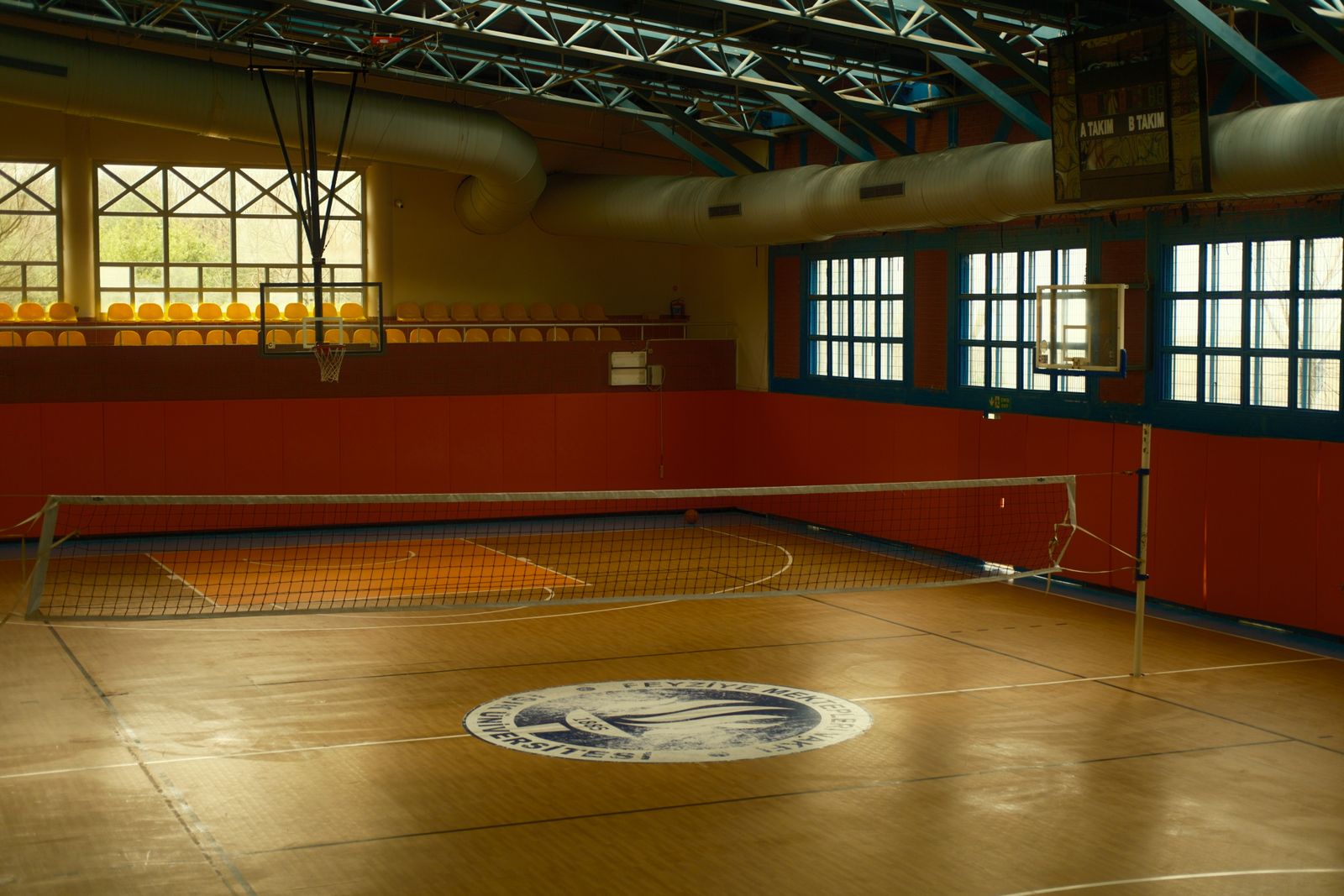
Camp settings, sponsoring organizations, and records that may require investigation.
Responsibility depends on control, notice, access, duties, causation, and applicable Missouri or Illinois law. The first review identifies the people, organizations, and records that matter.
Camps and youth programs create safety responsibilities across cabins, transportation, overnight supervision, volunteers, counselors, activities, medical care, and private communications. Sponsoring schools, churches, nonprofits, vendors, or national organizations may also have relevant roles.
Rosters, schedules, housing assignments, incident reports, background checks, training, parent communications, photographs, video, and prior complaints can help show access and institutional response. Families can start with the program name and approximate dates while the legal team develops the record.
Cabins, bunks, bathrooms, showers, staff housing, nighttime supervision, medical access, and emergency reporting.
→Pickup, transportation, rooms, parks, bathroom procedures, mixed-age groups, volunteers, and staff ratios.
→Governance, staff selection, retreats, transportation, affiliated properties, reporting, and institutional notice.
→One-on-one meetings, transportation, homes, electronic communication, volunteer screening, and program monitoring.
→Counselor placement, adventure vendors, transportation, medical services, background checks, insurance, and shared duties.
→Rosters, assignments, and safety records can show who had access to children and which safeguards applied.
Camp and youth program cases may involve operators, sponsors, churches, schools, nonprofits, contractors, counselors, and volunteers. Staffing records, cabin assignments, transportation plans, screening files, complaints, and incident reports can help clarify access and organizational responsibility.
Preserve the season’s roster, cabin, transportation, and communication records before they scatter.
Camp evidence can be temporary and distributed among operators, sponsors, contractors, staff, campers, and families. The review maps adult access, assignments, prior seasons, reports, and every organization responsible for safeguards.
Reviewed by Grant Boyd
O’Brien Law Firm civil advocacy attorney · Page reviewed August 2026
References, background checks, prior seasons, training, certifications, assignments, discipline, and contractor files.
Rosters, cabin and bunk assignments, schedules, ratios, transportation, medical logs, visitors, and incident reports.
Camp apps, emails, texts, photos, videos, newsletters, parent messages, radios, and emergency communications.
Safeguarding rules, reporting channels, complaints, investigations, inspections, sponsor audits, and board records.
Grant Boyd investigates the people and organizations responsible for camp safety.
The civil review follows documents, decisions, authority, and patterns to determine whether an organization contributed to preventable harm.

Build the claim around access, supervision, records, and organizational responsibility.
The sequence protects privacy and evidence while identifying the organizations and legal questions that require prompt attention.
Preserve rosters, assignments, schedules, messages, photos, transportation, medical, incident, and personnel records.
Identify counselors, directors, volunteers, contractors, sponsors, properties, vehicles, activities, and overnight arrangements.
Review references, background checks, prior seasons, complaints, discipline, transfers, training, and sponsor knowledge.
Consider the perpetrator, operator, sponsor, national body, school or church, contractor, property, and transportation entities.
Questions people ask about camp & youth program sexual abuse.
Deadlines and available claims depend on the facts, responsible parties, location, and current law. A private case review can help identify which questions require immediate attention.
Ask a private questionCan a camp be responsible for abuse by a counselor or volunteer?
Potential claims may examine screening, hiring, assignments, cabin or activity access, supervision, reporting, prior notice, and the operator’s response.
What camp records should families preserve?
Enrollment materials, schedules, cabin information, photos, messages, camp-app records, medical information, staff names, transportation details, and disclosures may help.
Who may share responsibility for a sponsored camp?
Depending on control and duties, the review may include the operator, church, school, nonprofit, national body, property owner, staffing agency, or activity contractor.
Why do cabin and sleeping assignments matter?
They can show which adults and campers were placed together, supervision expectations, bathroom or shower access, nighttime responsibilities, and potential witnesses.
What if the program used seasonal or international staff?
Recruitment, visas, staffing agencies, background checks, references, training, supervision, and information sharing may require investigation.
Can a former camper ask about abuse from years ago?
Yes. Available options depend on age, dates, jurisdiction, defendants, records, and current law. A confidential review can begin without a filing commitment.
Start with what you know. The first conversation can identify what matters next.
You do not need every record, date, or responsible organization before contacting the firm.
Do not send medical records or confidential documents until the firm confirms how they should be provided.
Use the firm’s secure intake form for a working submission, or call during business hours.
Open the secure case-review form →Call 314-588-0558Submitting the intake form does not create an attorney-client relationship.