
Wrongful Death Claims Attorneys
When a death may have resulted from another person, company, institution, or unsafe condition, a civil claim can help a family investigate responsibility and pursue available remedies. O'Brien Law Firm handles serious wrongful-death matters with direct attorney guidance.
A wrongful-death claim is separate from grief, probate, insurance, and any criminal case, but those issues may overlap.
The proper claimant, estate authority, filing deadline, available damages, and responsible parties depend on the state and facts. Early review can preserve records and explain which decisions require immediate attention.
State law determines who may bring the claim and whether an estate representative is needed.
Video, electronic data, physical evidence, incident files, and witness memories may need prompt preservation.
A civil case may proceed on a separate timeline and use a different burden of proof.
Financial support, services, relationship loss, medical expenses, and funeral costs may be relevant.

Wrongful-death matters may involve several paths to responsibility.
The event that caused the death determines the evidence, defendants, experts, insurance, and laws that need to be considered.
A wrongful-death review begins by identifying the event that caused the death, the family or estate representative who may act, and any evidence that could disappear. Medical records, incident reports, video, vehicles, products, property conditions, communications, and witness information may require prompt preservation.
The case should also reflect the family’s practical and personal losses. Income and benefits, services provided, medical and funeral expenses, family relationships, and the circumstances of the death can all affect the questions attorneys and qualified experts must evaluate.
Families may need to preserve exposure and medical evidence after a mesothelioma or lung cancer death.
→Civil responsibility may extend beyond the person who committed the crime, depending on third-party conduct.
→A school, organization, employer, property owner, or other institution may require investigation.
→Access control, warnings, staffing, lighting, prior incidents, and response procedures may matter.
→An existing case may need estate substitution, updated damages evidence, or a revised strategy.
→Guidance for families considering civil accountability.
Learn how the circumstances of a death, available evidence, responsible parties, and filing deadlines can shape the next legal steps.
The first review identifies who may act, what evidence should be preserved, and who may be responsible.
A preventable death can raise immediate questions about family authority, filing deadlines, available records, responsible parties, and the losses the family may claim. Early organization helps preserve evidence while giving the family a clearer view of the civil process.

The first legal task is often protecting evidence, not deciding how the case ends.
A focused investigation identifies the legal authority to act, sends appropriate preservation requests, collects official and medical records, and evaluates every person or organization whose conduct may have contributed.
Death certificates, autopsy or pathology records, treatment files, and bills may be important.
Police, fire, workplace, property, institutional, and insurance records can document what happened.
Video, access logs, phones, vehicles, products, equipment, and digital communications may require preservation.
Income, benefits, household services, relationships, and expenses are evaluated under applicable law.
Attorneys for serious wrongful-death investigations.
The appropriate team depends on whether the death involves asbestos disease, violent crime, abuse, institutional conduct, or another form of preventable harm.

Grant Boyd
Civil advocacy for victims, survivors, families, and loved ones after sexual abuse, violent crime, and wrongful death.
View bio →
Bart Baumstark
Lead trial attorney and settlement negotiator in asbestos cases.
View bio →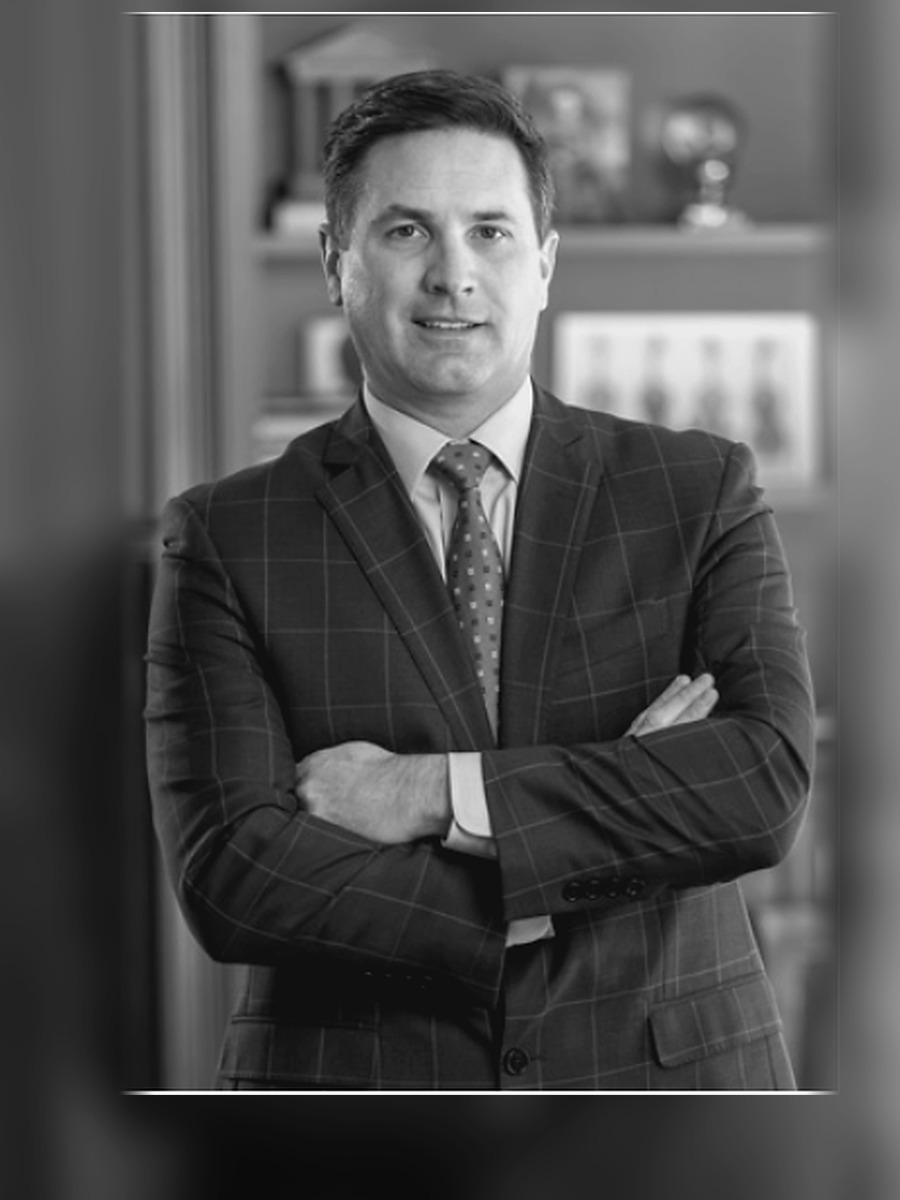
Jerry FitzGerald
Exposure investigation, depositions, and relationships with working families and labor organizations.
View bio →
Chris Thoron
Mesothelioma and asbestos litigation in Missouri and Illinois.
View bio →Protect the evidence, identify responsibility, and explain the path.
Families receive clear priorities without being asked to solve the case themselves.
Identify who may communicate, preserve evidence, and bring the claim under applicable law.
Send preservation requests and gather official, medical, insurance, and digital materials.
Evaluate direct actors, companies, institutions, property owners, insurers, and other responsible entities.
Document the person's life, relationships, support, services, expenses, and the family's loss.
Frequently asked questions.
Answers about who may bring a claim, civil and criminal proceedings, and urgent evidence issues.
Ask a private questionWho can file a wrongful-death claim?
The answer depends on state law and family circumstances. A spouse, child, parent, other relative, or estate representative may have a role, but an attorney should confirm authority.
Is a wrongful-death case the same as a criminal case?
No. A criminal prosecution is brought by the government. A civil wrongful-death claim is brought by authorized private parties and follows different rules and burdens of proof.
What if no one has been criminally charged?
A civil review may still be possible. Civil responsibility does not always require a criminal charge or conviction.
What evidence should the family save?
Preserve messages, photographs, video, documents, bills, insurance information, work and income records, and anything related to the event. Avoid altering physical or digital evidence.
How long do families have to file?
Deadlines vary by state, claim, defendant, death date, and other facts. Government entities and special defendants may have shorter notice rules. Prompt review is important.
What compensation may be available?
Depending on applicable law, damages may include economic support, services, medical and funeral expenses, and relationship-based losses. The available categories are case-specific.
Start with a private conversation.
Share only what you are comfortable providing. The firm’s secure intake form routes your inquiry to the appropriate team.
Submitting an inquiry does not create an attorney-client relationship. Do not send confidential documents until the firm confirms how they should be provided.