
Household Asbestos Exposure Attorneys
A worker could bring asbestos fibers home on clothing, shoes, tools, lunch containers, or a vehicle. O'Brien Law Firm evaluates household exposure histories when a spouse, child, or other family member develops an asbestos-related disease.
A person did not need to work at an industrial jobsite to experience asbestos exposure.
Household or take-home exposure may occur when fibers leave the workplace on a worker or belongings. The legal review connects the worker's job and contamination pathway to the household member's contact and diagnosis.
Trade, facility, tasks, products, and dust conditions help establish the source.
Work clothing, laundering, shoes, tools, vehicles, and home routines may show how fibers traveled.
Who handled clothing, cleaned vehicles, or shared living spaces can be important.
The household member's diagnosis must be documented and evaluated with the exposure history.
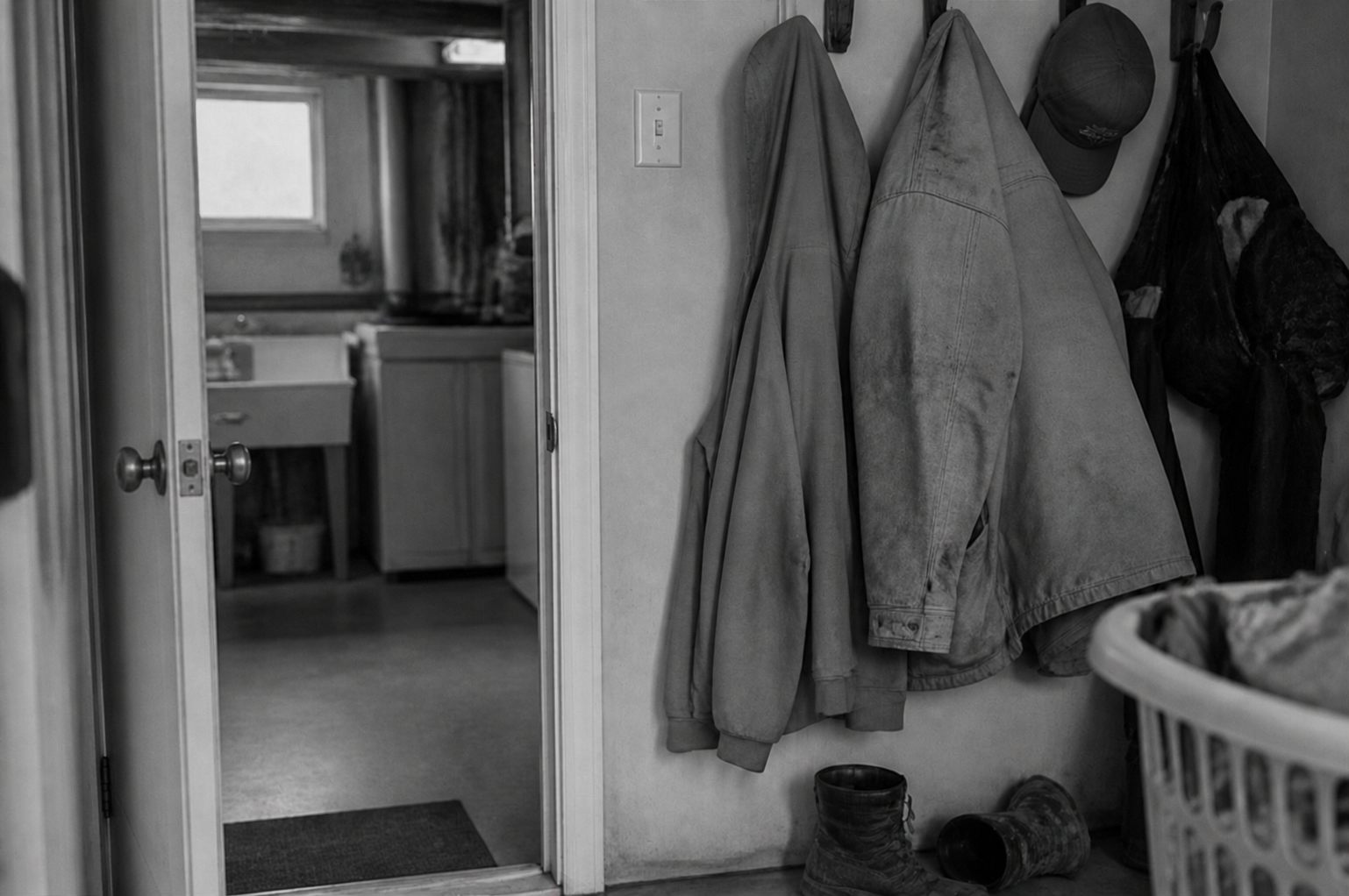
Everyday household contact that may carry hidden risk.
The relevant routines are often ordinary and repeated. A detailed review helps turn those memories into a clear contamination pathway.
Take-home exposure may have occurred through work clothes, shoes, tools, vehicles, lunch containers, or repeated contact with a worker returning from a dusty jobsite. The household routine matters because it can explain how fibers moved from work into the home.
The investigation develops both sides of that pathway: the worker’s exposure source and the family member’s contact at home. Employment records, coworkers, laundry practices, living arrangements, and medical evidence can reinforce one another even when the events occurred decades ago.
A spouse or family member shook out, sorted, washed, or folded dusty clothing.
→Children or partners hugged the worker or spent time near dusty clothing and shoes.
→Dust may collect on seats, floorboards, storage areas, or tools carried between home and work.
→Work items stored or cleaned at home may bring fibers into garages and living areas.
→Neighborhood exposure from a plant, mine, waste site, or contaminated property may require separate investigation.
→A household exposure claim follows asbestos from the workplace into the home.
Take-home asbestos cases require evidence that connects a worker's exposure, the way fibers traveled home, the household member's contact, and the eventual diagnosis. Jobs, dusty clothing, laundry routines, vehicles, tools, and family recollections can help establish that pathway.

The source and household routine should tell one consistent story.
A household case may rely on records and witnesses from both the workplace and home. The investigation should document how often contamination occurred, who encountered it, and how the exposure relates to the diagnosis.
Employers, unions, jobsites, tasks, products, and coworkers help show the original source.
Family members may explain laundry, cleaning, storage, and daily contact.
Dates help connect the worker's jobs to shared homes and household routines.
Diagnosis records and case-specific causation analysis complete the evaluation.
Attorneys who investigate both sides of take-home exposure.
The team develops the workplace source and the home contact history together, with sensitivity to family memories and decades-old routines.



From worker history to household exposure pathway.
The investigation follows the likely movement of asbestos fibers step by step.
List the worker's jobs, tasks, facilities, products, and dusty conditions.
Describe clothing, shoes, tools, vehicles, and changing or cleaning practices.
Identify who handled contaminated items and how often contact occurred.
Review medical evidence, defendants, trusts, state law, venue, and deadlines.
Frequently asked questions.
Answers about take-home asbestos, family evidence, and the relationship to an asbestos diagnosis.
Ask a private questionWhat is household or take-home asbestos exposure?
It is exposure to asbestos fibers carried from a workplace into a home, often on clothing, shoes, tools, personal items, or a vehicle.
Who may have a household exposure claim?
A spouse, child, or other household member with a qualifying asbestos-related diagnosis may have a claim, depending on the exposure evidence and applicable law.
Do we need the worker's old employment records?
They can be helpful but are not always available at the start. Family memories, union records, Social Security history, coworkers, and facility research may also support the review.
What if the worker has died?
The household history can still be evaluated. Family witnesses, estate records, employment information, and prior testimony may help reconstruct the source.
Can neighborhood exposure be evaluated too?
Yes, but environmental or neighborhood exposure involves a different pathway and may require property, emission, regulatory, and community evidence.
How long do household exposure claims have to be filed?
Deadlines vary by diagnosis, death, state, defendant, claim type, and other facts. Prompt review is important.
Start with a private conversation.
Share only what you are comfortable providing. The firm’s secure intake form routes your inquiry to the appropriate team.
Submitting an inquiry does not create an attorney-client relationship. Do not send confidential documents until the firm confirms how they should be provided.