
Illinois Asbestos Attorneys
O'Brien Law Firm evaluates Illinois mesothelioma and asbestos lung cancer claims involving industrial work, trades, jobsites, household exposure, and multi-state histories.
Illinois exposure history can shape evidence, defendants, and where a case may proceed.
Illinois has a long history of manufacturing, construction, power generation, rail, refining, and other work associated with asbestos use. A case still depends on the client's diagnosis and provable connection to products, companies, or premises.
Facilities, contractors, suppliers, and coworkers may provide important evidence.
Tasks performed by insulators, pipefitters, electricians, laborers, mechanics, and other trades may identify exposure.
Fibers carried home on clothing, tools, and vehicles may affect family members.
Illinois and Missouri connections should be compared when the history crosses state lines.

Work, household, and company history that may matter.
A strong review develops the diagnosis and exposure story together, including evidence from people who worked at the same facilities.
An Illinois asbestos case may involve industrial facilities, construction trades, manufacturing, rail work, power generation, maintenance, or exposure carried home from work. The investigation connects the diagnosis to specific tasks, locations, products, and companies.
People often worked in both Illinois and Missouri or moved between employers and jobsites. A complete regional history helps attorneys assess venue, witnesses, corporate records, asbestos trusts, and overlapping claim options as one coordinated matter.
Manufacturing, utilities, refineries, rail, construction, maintenance, and public facilities may be relevant.
→Membership records and witness recollections can help confirm dates, tasks, and conditions.
→Bystander exposure may occur when nearby workers cut, installed, removed, or repaired asbestos materials.
→A spouse or child may have encountered dust from work clothing, tools, or a family vehicle.
→Cross-border work calls for a coordinated forum and defendant review.
→Illinois asbestos claims require a clear record of jobsites, products, defendants, and cross-border facts.
Illinois asbestos cases often turn on the work performed, products and equipment present, responsible companies, and the connection between the claim and Illinois. The investigation may also include Missouri residence, treatment, or employment when a work history crosses state lines. The firm's selected asbestos recoveries exceed $1 billion; past results do not guarantee future outcomes.
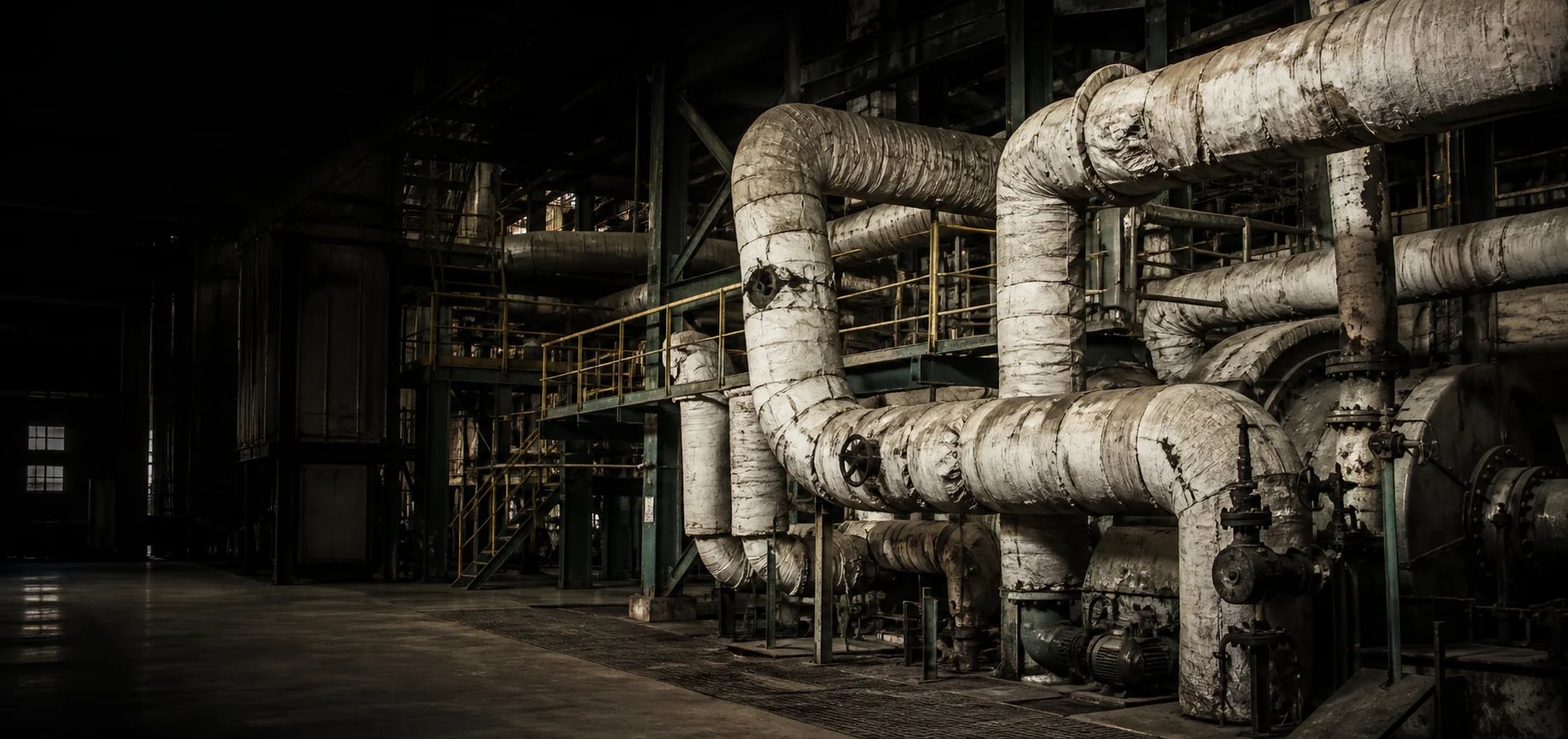
Facility records and human memory can reinforce one another.
Employment records may establish when someone worked at a facility, while coworkers and trade evidence can explain the dust, products, equipment, and tasks present there.
Dates, departments, contractors, and job assignments help organize the investigation.
The work performed can point to insulation, gaskets, packing, cement, fireproofing, or other materials.
People who saw the conditions or work clothing may provide important context.
Potential civil defendants and bankruptcy trusts should be evaluated together.
Attorneys who investigate Illinois asbestos exposure in detail.
The team combines regional case experience with product, worksite, witness, and medical evidence development.



From Illinois work history to a coordinated claim plan.
The investigation starts broad and narrows as records and witnesses confirm the story.
List Illinois facilities, employers, trades, departments, and years worked.
Identify coworkers, contractors, products, equipment, and dusty tasks.
Collect diagnosis, pathology, imaging, and treatment information.
Compare civil defendants, trusts, deadlines, and possible filing locations.
Frequently asked questions.
Answers about Illinois jobsites, cross-border histories, and asbestos claim evidence.
Ask a private questionWhat kinds of Illinois work may involve asbestos exposure?
Industrial maintenance, construction, insulation, power generation, rail, automotive, manufacturing, and other work may be relevant depending on the materials and era.
Can I bring a claim if I no longer live in Illinois?
Possibly. Residence is only one factor. Exposure, defendants, evidence, and court rules must be reviewed for the specific case.
What if a coworker, not I, handled the asbestos product?
Bystander exposure can matter when asbestos dust was released nearby. The analysis depends on proximity, frequency, duration, and reliable evidence.
Can a family member have an Illinois take-home exposure claim?
Possibly. The review examines the worker's job, contamination pathway, household contact, diagnosis, and applicable law.
How long do Illinois asbestos claims take?
Timing depends on health, court procedures, defendants, discovery, settlement opportunities, and other facts. An attorney can explain likely stages after reviewing the case.
Should trust claims be filed before an Illinois lawsuit?
There is no universal sequence. Trust and lawsuit filings should be planned together because disclosures, timing, and exposure evidence can affect one another.
Start with a private conversation.
Share only what you are comfortable providing. The firm’s secure intake form routes your inquiry to the appropriate team.
Submitting an inquiry does not create an attorney-client relationship. Do not send confidential documents until the firm confirms how they should be provided.