
Occupational Asbestos Exposure Attorneys
Workers may have encountered asbestos while installing, cutting, repairing, removing, or working near products that released fibers. O'Brien Law Firm investigates how a person's trade, tasks, and jobsites connect to an asbestos-related diagnosis.
You did not have to work directly with asbestos every day to experience harmful workplace exposure.
Direct handling, nearby trade work, dusty maintenance, equipment repair, demolition, and contaminated protective clothing may all be relevant. Frequency, duration, proximity, product identity, and witness support help determine the strength of the exposure evidence.
Daily tasks often reveal more than a broad employment title.
Other crews may have released dust in the same area.
Union, Social Security, military, and employer documents may confirm dates and locations.
Witnesses may remember products, contractors, equipment, and conditions.
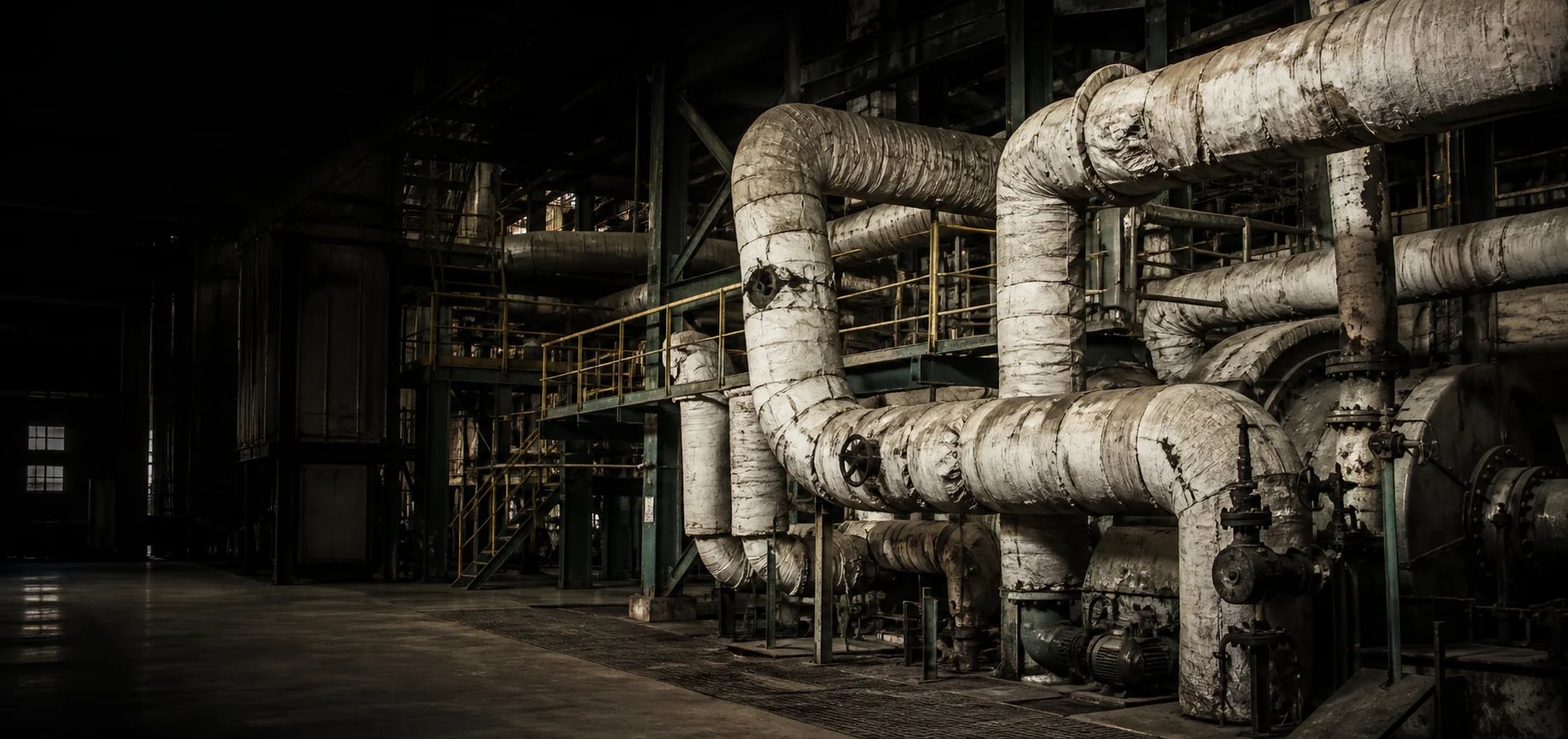
Work histories that often require a closer look.
No occupation automatically establishes a claim. The investigation connects particular tasks and conditions to reliable medical and product evidence.
Job titles rarely tell the full exposure story. The useful details are the tasks performed, materials cut or removed, equipment repaired, nearby trades, ventilation, protective practices, and the dust that workers encountered during an ordinary shift.
Perfect recall is not required. Employment and union records, military documents, facility histories, product research, and former coworkers can help rebuild older jobsites. The client provides the starting points; the legal investigation develops the evidence.
Insulators, pipefitters, electricians, plumbers, laborers, carpenters, and other trades may encounter asbestos materials.
→Repair of boilers, turbines, pumps, valves, furnaces, and piping may disturb insulation, gaskets, and packing.
→Plants may use asbestos for heat resistance, friction, fireproofing, or equipment protection.
→Ships, bases, vehicles, mechanical spaces, and construction duties may create exposure questions.
→Removing old materials can release fibers when controls and warnings are inadequate.
→Older jobsites can be reconstructed through records, products, and coworkers.
A job title rarely tells the full story. O'Brien Law Firm develops occupational asbestos exposure evidence from the work performed, equipment and materials nearby, employers and contractors involved, and people who remember the conditions. The firm's selected asbestos recoveries exceed $1 billion; past results do not guarantee future outcomes.

The strongest timeline describes tasks, not just employers.
A company name may identify where someone worked. The more useful question is what happened there: materials handled, equipment repaired, nearby trades, dust conditions, protective practices, and the people who observed the work.
These may confirm dates, employers, classifications, and jobsites.
Boilers, pumps, valves, pipes, brakes, furnaces, and other equipment may point to relevant materials.
People from the same crew or facility may identify products and recurring conditions.
Manufacturers, suppliers, contractors, and premises owners may require separate investigation.
Asbestos attorneys who know how to develop a worksite history.
The team works with clients, families, unions, records, and witnesses to turn decades-old employment history into a focused evidence plan.



From job list to exposure map.
Each step adds specificity without expecting the client to remember everything at once.
Begin with companies, unions, military service, and general years.
Identify tasks, equipment, nearby crews, dust, clothing, and cleanup practices.
Use records, coworkers, product research, photographs, and facility history.
Evaluate defendants, trusts, state law, venue, and filing deadlines.
Frequently asked questions.
Answers about workplace exposure, bystander exposure, and evidence from older jobs.
Ask a private questionWhich jobs are most associated with asbestos exposure?
Many construction, industrial, maintenance, transportation, military, and manufacturing jobs may involve asbestos. The important issue is the actual materials and conditions, not the title alone.
Can I have a claim if I never handled asbestos myself?
Possibly. Working near others who cut, removed, mixed, or repaired asbestos-containing materials may create relevant bystander exposure.
What if the employer closed decades ago?
A closed employer does not necessarily end the inquiry. Union, government, Social Security, corporate, facility, and coworker records may still exist.
Can workers' compensation and third-party claims both apply?
Sometimes. An employer claim and claims against product manufacturers, contractors, premises owners, or trusts involve different rules and should be evaluated together.
How do attorneys identify old asbestos products?
They may use witness testimony, catalogs, purchase records, facility documents, prior case evidence, photographs, and product-history research.
Should I contact former coworkers?
Coworkers may be valuable witnesses, but discuss the best approach with counsel so information is preserved accurately and respectfully.
Start with a private conversation.
Share only what you are comfortable providing. The firm’s secure intake form routes your inquiry to the appropriate team.
Submitting an inquiry does not create an attorney-client relationship. Do not send confidential documents until the firm confirms how they should be provided.